Atlantic City Casinos Deliver Mixed March 2026 Results: Slight In-Person Gains Amid Declines, While Online Channels Surge
19 Apr 2026
Atlantic City Casinos Deliver Mixed March 2026 Results: Slight In-Person Gains Amid Declines, While Online Channels Surge

Overview of March 2026 Gaming Revenue
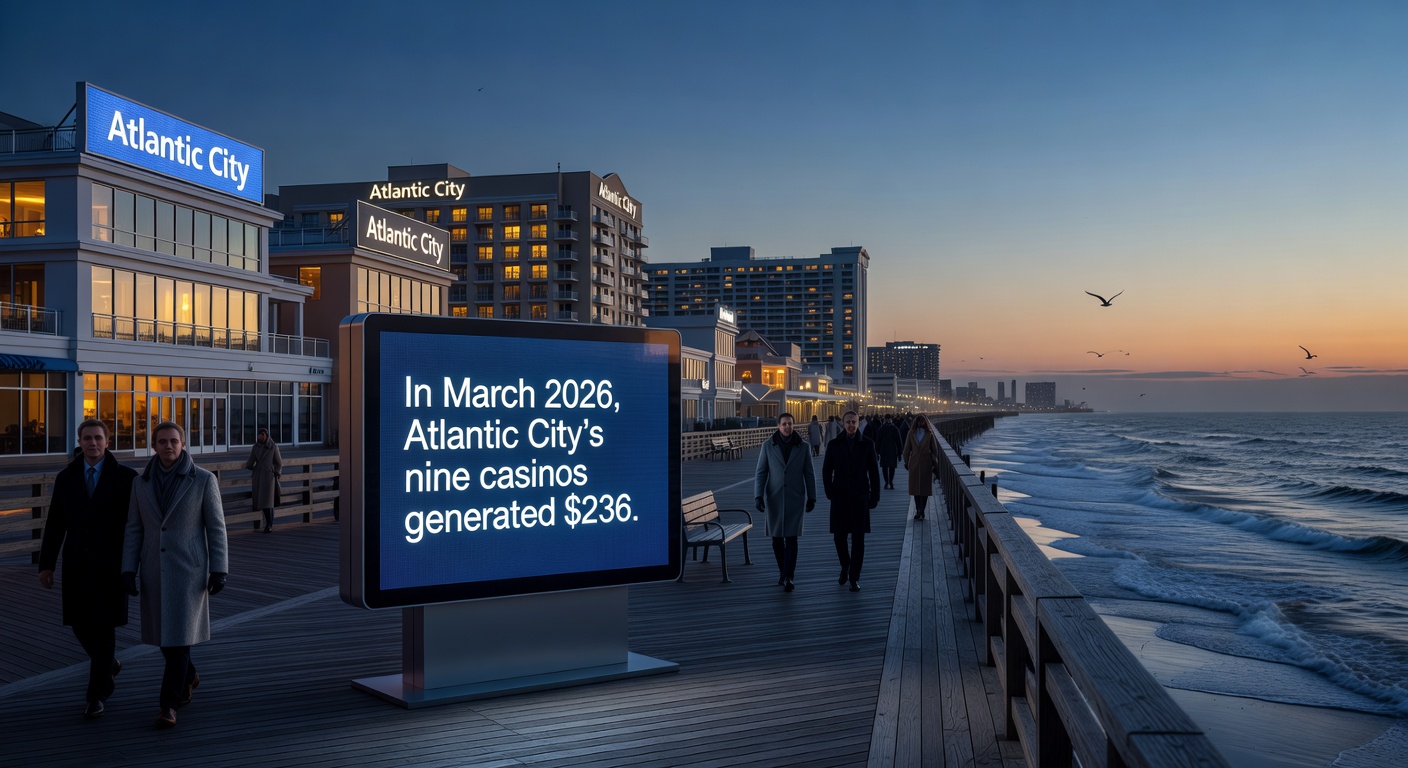
Atlantic City's nine casinos pulled in $236.6 million from in-person gamblers during March 2026, a figure that reflects a 2.5% uptick from the same month a year earlier; yet, that growth masked underlying shifts, since only three properties—Borgata, Caesars, and Ocean Casino Resort—actually posted increases, while the remaining six saw their revenues dip. Data from the New Jersey Division of Gaming Enforcement underscores this tale of contrasts, where traditional floor play holds steady overall but reveals pockets of struggle. Internet gaming, on the other hand, jumped 11.6% to $272 million, and online sports betting climbed even steeper at 22.8% to $87.6 million, pushing the first quarter's total gaming revenue past the $1.7 billion mark. James Plousis, chair of the Division, pointed to this quarterly stability as a key highlight, noting how digital channels increasingly bolster the industry's foundation.
What's interesting here is how these numbers capture a gaming landscape in transition; in-person visits, long the heartbeat of Atlantic City, edge forward modestly, but online metrics steal the show with double-digit growth that outpaces physical counterparts by wide margins. Observers tracking the sector have long noted this pivot, where players blend boardwalk nostalgia with the convenience of apps and sites, creating a hybrid model that's reshaping revenue streams.
Breaking Down In-Person Gaming: Winners Emerge Amid Broader Declines
Borgata led the pack among the gainers, building on its reputation for high-end amenities and robust slot and table offerings that draw crowds even in off-peak months like March; Caesars followed suit, leveraging loyalty programs and entertainment tie-ins that keep foot traffic steady, while Ocean Casino Resort rounded out the trio with targeted promotions amid renovations that refreshed its appeal. The other six casinos—properties like Harrah's, Bally's, Resorts, Hard Rock, Tropicana, and Golden Nugget—faced headwinds, their revenues sliding as seasonal factors, competition from nearby states, and shifting tourist patterns took a toll; exact figures for each remain aggregated in reports, but the collective downturn highlights challenges in capturing the same in-person enthusiasm.
And yet, that 2.5% overall rise signals resilience; total in-person GGR hit $236.6 million, up from March 2025 levels, proving the market's core strength endures despite uneven performances across the boardwalk. Experts who've studied these cycles point out how weather, regional events, and economic vibes often dictate monthly swings, with March's mild uptrend bucking winter slumps that plagued prior years.
Take Borgata's surge, for instance—one analyst familiar with the data recalls how its consistent top rankings stem from diversified revenue beyond slots, including poker rooms and live events that pack the house; Caesars, too, benefits from its empire-wide synergies, channeling guests from Philadelphia and beyond straight to the casino floor. Ocean's gains, meanwhile, tie directly to post-pandemic upgrades, like expanded beachfront access and modernized gaming zones that lure younger demographics. Those who've watched the other venues struggle often cite saturation—nine casinos vying for the same pool of visitors in a compact strip—coupled with Pennsylvania's nearby options pulling away high-rollers.
Online Gaming's Robust Climb Steals the Spotlight
Internet gaming revenue soared to $272 million in March 2026, an 11.6% increase that dwarfs the in-person gains and underscores the channel's explosive trajectory; platforms tied to the nine casinos offer slots, blackjack, and roulette from mobile devices, attracting players who might never set foot in Atlantic City. This growth builds on regulatory expansions since 2013, when New Jersey first legalized iGaming, turning the state into a national leader with over $1 billion annually in some years. Figures reveal how convenience drives this boom—remote access means no travel hassles, round-the-clock play, and bonuses that hook users fast.
But here's the thing: that $272 million doesn't stand alone; it complements physical operations, as many online players crossover to the casinos during visits, creating a feedback loop that stabilizes the ecosystem. Data indicates partnerships between land-based brands and software providers fuel this, with seamless wallets letting bettors shift from app to floor without missing a beat. People who've tracked iGaming expansions note how March's weather—rainy days perhaps—nudged more activity online, amplifying the 11.6% lift.
Now, as April 2026 unfolds, early indicators suggest the online momentum carries forward; whispers from industry insiders point to sustained double-digit growth, bolstered by spring promotions and major sports events that spill over into casino games. The reality is, digital channels now account for a hefty slice of the pie, often out-earning slots and tables combined in peak months.
Sports Betting's Stellar Surge Adds Fuel to the Fire
Online sports betting revenue rocketed 22.8% to $87.6 million, outpacing even iGaming's gains and reflecting bettors' hunger for NBA playoffs, March Madness hangovers, and early MLB action; apps from the casinos cover everything from spreads to props, with live in-play options keeping engagement high. This channel, legalized in 2018 post-PASPA repeal, has matured into a powerhouse, drawing in sports fans who wager casually alongside casino games.
Turns out, the nine properties' online sportsbooks benefit from shared liquidity and cross-promotions—bet on the Sixers via Borgata's app, then hit the tables in person—creating layered revenue that wasn't possible pre-digital era. Studies from the Division show how mobile-first designs capture millennials and Gen Z, groups less inclined to smoky casino floors but eager for quick parlays. That 22.8% jump, sharpest among categories, signals where the rubber meets the road: real-time events drive impulsive bets, especially as New Jersey's market edges Pennsylvania in handle volume.
So, with totals like these, the first quarter wraps strong at over $1.7 billion across all gaming; in-person, internet, and sports combine for a diversified portfolio that cushions against any single segment's wobbles. Plousis's nod to stability rings true—quarterly figures smooth out March's in-person splits, revealing an industry that's adapted, thrived even, through tech integration.
Quarterly Stability and Glimpses into April 2026
The first three months of 2026 cemented Atlantic City's position, exceeding $1.7 billion in total gaming revenue, a testament to balanced contributions from legacy and new frontiers; in-person holds the line at modest gains, online channels accelerate, and sports betting provides the adrenaline. Chair Plousis emphasized this equilibrium, stating outright that the quarter's performance demonstrates ongoing steadiness in a competitive landscape.
Observers note how these patterns echo post-COVID recoveries, where 2023 and 2024 saw similar online dominance offsetting physical variability; yet, March 2026 feels pivotal, as only three casinos bucked the in-person trend, hinting at consolidation among leaders. And looking to April, preliminary data teases continued online vigor—warmer weather might boost boardwalk crowds, but digital bets on NBA and NHL playoffs promise another strong showing, potentially extending the quarter's momentum into summer.
It's noteworthy that regulatory oversight from the Division ensures transparency; monthly reports like this one break down GGR meticulously, allowing stakeholders to spot trends early. Those who've analyzed past Aprils recall upticks tied to holidays and events, patterns that could repeat as casino operators roll out beach-season incentives.
Key Takeaways: A Gaming Sector in Flux Yet Firm
Atlantic City's March 2026 numbers paint a clear picture—in-person GGR at $236.6 million up 2.5%, driven by Borgata, Caesars, and Ocean amid six decliners; internet gaming at $272 million with 11.6% growth, sports betting at $87.6 million surging 22.8%, all fueling a first-quarter total beyond $1.7 billion. Plousis's comments affirm the quarter's solid footing, while April's early signals suggest the blend of old-school charm and cutting-edge digital keeps the industry humming. This mix, honed over years of adaptation, positions the nine casinos to navigate whatever comes next, from seasonal shifts to broader economic winds.